
ROI

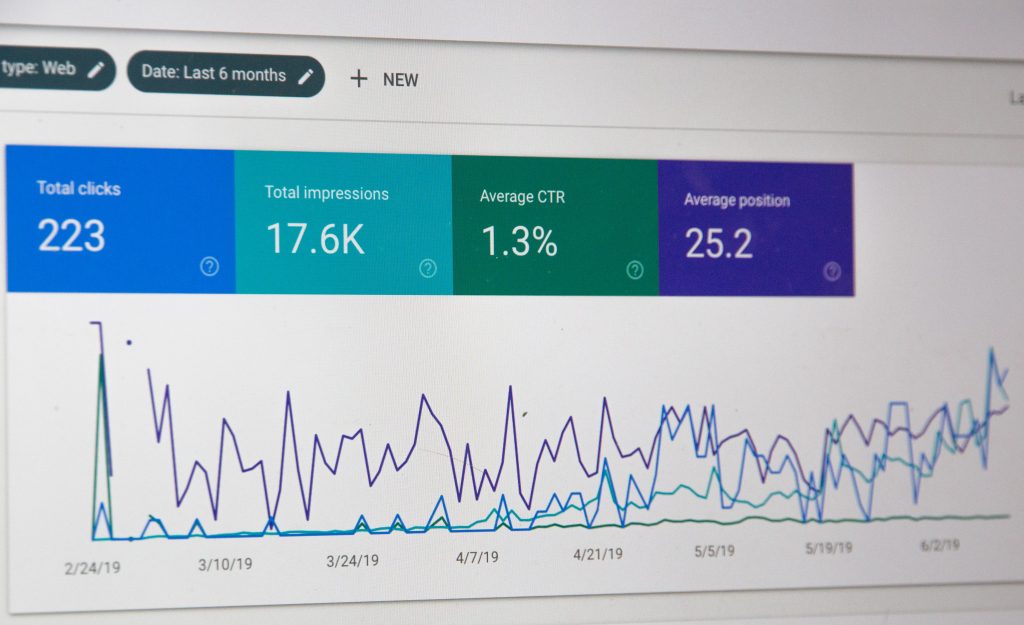
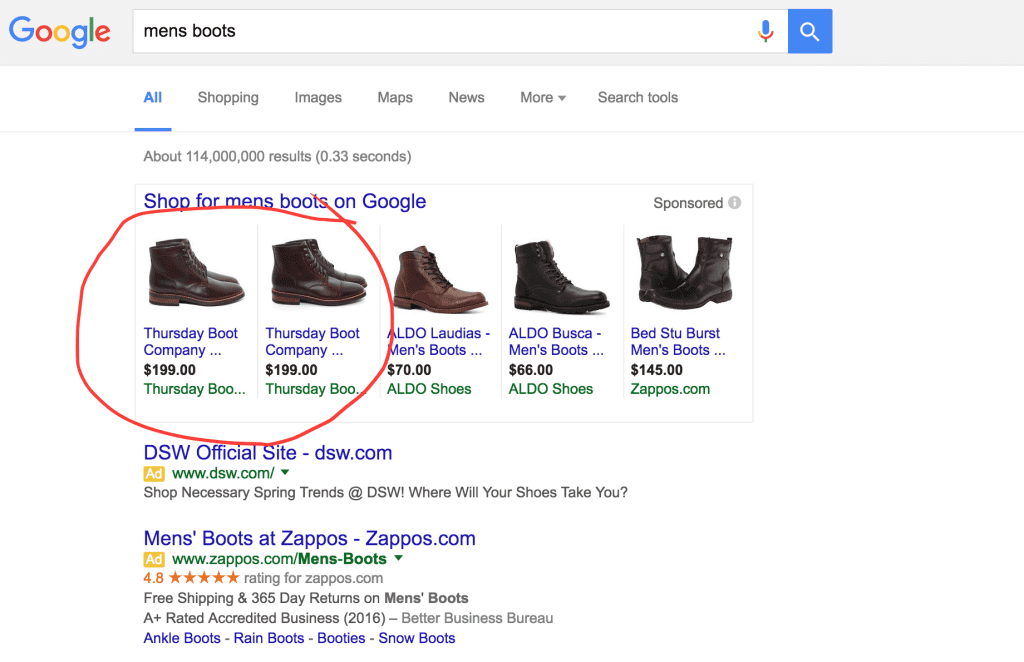
Before you embark on a potentially expensive paid search campaign, consider this one insight that could change your mind.

While Pear focuses on organic search (SEO), we do mingle around and talk to a lot of experts in paid search. Experts who work paid search campaigns day in and day out. The other day I learned something very interesting.

The longer the sales cycle in your business, the worse your paid search campaign could perform.

In fact, if it takes you longer than 2 weeks to close a potential lead from click to sale, then paid search might not be a great fit for you. This is not an off-the-cuff statement, but rather a conclusion based on a long history of data obtained by a close partner in the business. Now there are always going to be exceptions to the rule, and there are many other factors that go into paid search ROI, but this is a good rule of thumb, and here’s why.

Paid search works better when an impulse action (like a purchase or contact) is involved. Let’s look at a few examples:

Plumbing Service – your bathroom had a backup and is flooded with raw sewage. Do you search 15 plumbers and call for quotes? Not likely. You choose the first or second option you see based on the most credible looking, easiest to contact (maybe they are open 24-hours or offer emergency response) plumber. You probably don’t care much about the price either – you just want it fixed.

Real Estate – most of us don’t buy property in less than 2 weeks. We look at lots of options, talk to lots of people, make personal visits and collect a lot of information before making the final purchase. This is definitely not an impulse purchase. Paid search can work in this case if the margins are high enough to where even if the conversions are dismal, one sale could pay for the whole campaign.

Air Conditioning Repair – it’s already in the 90 degrees here in Texas and turning on your AC is a necessity. Like the plumber, you need the next available company to service your system, and the first or second listing will get the lead.

Home Health Care – getting a parent or loved one into a home health care situation is an emotional experience. Not only is the sales cycle longer than 2 weeks, but the decision is usually not with one person, which makes it a harder deal to close. If clicks are going for $5-10 a piece, you could spend hundreds before getting a new client.

What do you think?  Do you have any examples to share?

This is our fourth post in the ‘Small Business Series‘ which features where we feature industry leaders on how small businesses can better leverage their strengths.  This week we are interviewing Hiten Shah, the founder of three successful startups (Survey.io, Crazy Egg and Kissmetrics) on understanding metrics that a small business should focus on. I have been using Crazy Egg for a while now and its a great tool to understand click patterns, and just yesterday tried out KissInsights (a new product as part of Kissmetrics).  KissInsights is one of the best feedback tools I have seen, I am not a fan of the pop-up technique of inviting people to participate in surveys and love the widget you have to install.

Romy Misra (Pear Analytics): First Hiten, thanks so much for taking out the time to do this. Why is it important to develop metrics for success for small businesses? How does one develop these metrics?

Hiten Shah: I believe that the metrics for success are important in any business, because they can be used to help the whole organization focus on a single goal. If you pick the right metrics for success, you will be able to significantly improve the focus of the whole team and thus improve your business. Developing these metrics should be done first by making hypothesis about your business and validating / invalidating these hypothesis. From there you will have a good base understanding that will allow you to determine what metrics to focus on and how to define success for your business.

Read the rest of this entry »

A guest blog by Steve Patti, a marketing strategy expert at Polarity, Inc. – part of The Permission Network

Most of you that have read our blog posts know that we’ve been trumpeting a wake up call to all marketers that the days of dumping millions of dollars into non-measurable, interruption marketing are over.  While our target audience has been largely management and executives, we’re pleased to see the latest Ad Age article that raises the stakes and calls out the CMO as holding ultimate accountability for marketing performance and budget ROI — and we couldn’t agree more.

In today’s economic meltdown, marketers needs to be “manning the war room” where tactics are mapped, performance is measured, and funding decisions for tactics are made each week/month based on what is working and what is not.  Not only are we talking about measuring acquisition performance of the various sales funnels, but focusing on the lifetime value of the customers produced in each sales funnel (see our other blog posts on this topic).

It doesn’t matter if you’re embarrassed to say you are a marketer not getting it right when it comes to performance metrics — because few are.  However, the sooner you start the more quickly you can distance yourself from your competitors who may be sitting around their agency conference room asking how much “reach & frequency” they should be buying — instead of how they should be engaging prospective customers via permission marketing.

Feel free to share your thoughts.

I came across this excellent four-minute video by Phil Fernandez, President and CEO of Marketo, and he explains the importance of nurturing your sales leads into actual sales. He says that 50% of your leads are not yet ready to talk to a sales person, and are not ready to purchase. By properly engaging with these prospects, through webinars, emailing white papers, etc., we can, over time, get 70% of these leads ripe for sales. This is the “consideration” stage of the Awareness – Consideration – Purchase steps in all marketing efforts, as described by colleague Steve Patti of Polarity. Here is the video: